



Support RIA
Support Rock Island Arsenal

Help Support the Rock Island Arsenal

The message is simple: Protect Rock Island Arsenal. Protect our economy. Protect our national security.  

How you can help take action now: 

  • We need the community to sign the petition below
  • Join the conversation on Facebook – Support RI Arsenal Facebook group
  • Share with your colleagues, friends and family.



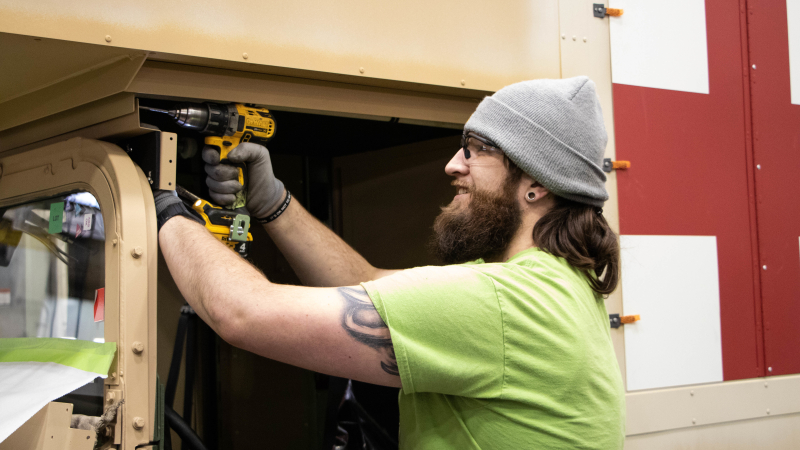
Photo for Background: Restructuring at risk of readiness

Background: Restructuring at risk of readiness

  • The Department of Defense has proposed a merger between Army Sustainment Command (ASC) and Joint Munitions Command (JMC) headquartered at Rock Island Arsenal.  
  • This action is being driven by a desire to cut overhead and consolidate logistics functions. However, such a move risks sacrificing effectiveness for perceived efficiency.  
  • ASC and JMC were originally part of a single command (Operations Support Command), but were deliberately split between 2003 and 2006 because the scope of their missions required specialized focus and leadership.  
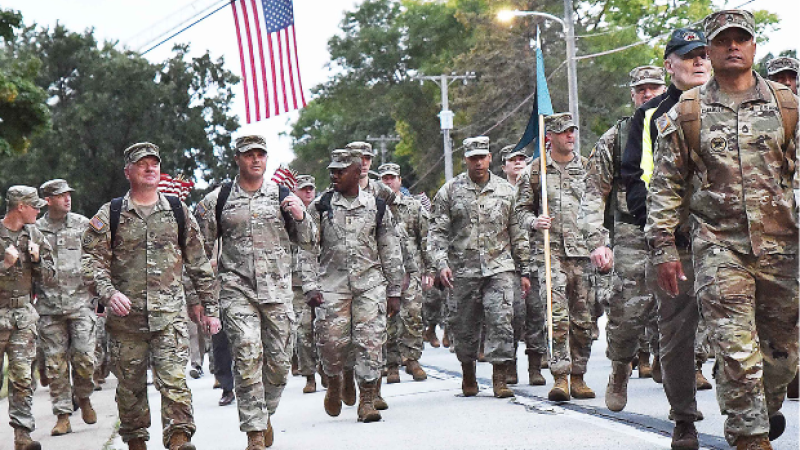
  • Reversing this structure now, especially during an era of heightened global security concerns, would jeopardize the logistics edge that has long distinguished the U.S. military.  

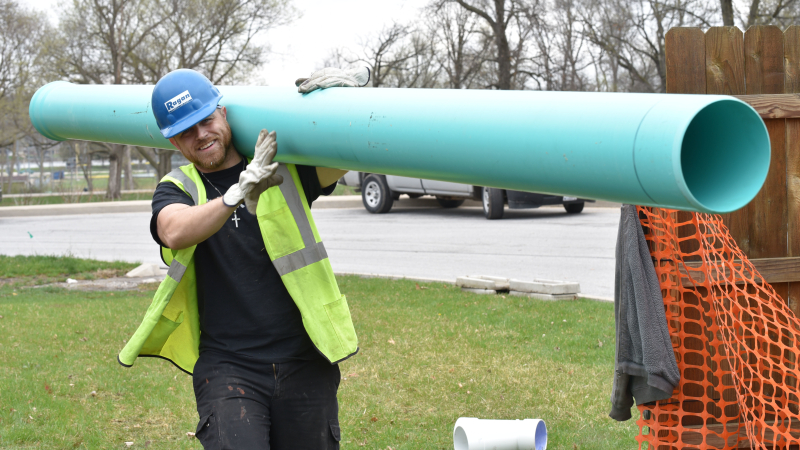
Photo for Core Mission Differences: two commands, two expertises

Core Mission Differences: two commands, two expertises

  • The current dual-command structure enables rapid and specialized response: ASC for general support to fielded forces; JMC for precision munitions supply.  
  • ASC is responsible for end-to-end sustainment of Army forces – delivering everything from fuel, food and shelter to vehicles and parts worldwide. It manages prepositioned stocks, field support brigades, logistics readiness centers and contractor integration.  
  • JMC is responsible for the entire munitions lifecycle for all U.S. services: production, storage, quality assurance, distribution, and demilitarization. It manages the industrial base of ammunition plants and depots across the country.  
  • These missions are both logistics-focused but fundamentally different in scope, regulation and required expertise. Ammunition logistics is a highly technical and safety-sensitive field.  
  • Merging these organizations risks diluting the specialized knowledge critical to both missions.  
  • Budget cuts may be achieved by reducing overhead, but if readiness declines, the military may pay far more in lost operational effectiveness.  

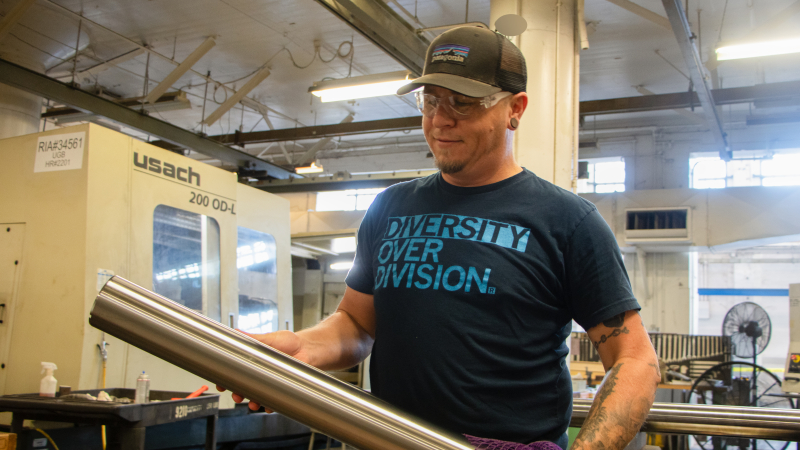
Photo for Workforce Impact: local and national implications

Workforce Impact: local and national implications

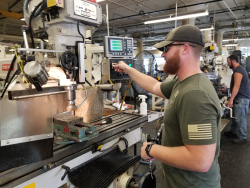
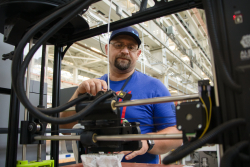
  • Rock Island Arsenal employs thousands of highly trained civilians in logistics and munitions roles.   
  • The proposed merger could eliminate up to 400 jobs, many of which are held by skilled professionals with decades of experience. These are high-quality federal positions with ripple effects across the local economy.  
  • These are not redundant jobs – the ASC and JMC workforces serve different functions and require unique certifications and experience.  
  • Loss of this workforce would damage institutional knowledge, diminish the Army’s ability to respond to emergencies and negatively affect the regional economy.  

Photo for Impact on the Quad Cities community

Impact on the Quad Cities community

  • The proposed merger of ASC and JMC threatens not only national defense readiness but also the economic vitality of the Quad Cities region.  
  • Rock Island Arsenal is one of the region’s most significant economic drivers, employing approximately 6,250 people and contributing over $1.2 billion annually to the local economy.  
  • The Arsenal provides high-wage, high-skill federal employment. Job losses of this scale would impact families, housing markets, local businesses and tax revenues. The Quad Cities have supported the mission of the Arsenal for generations – this proposal threatens that stability.  
  • Congressional leaders should recognize that this merger is not a minor reorganization – it risks fundamentally altering the economic fabric of one of the Army’s most productive communities.  
  • This isn’t just a cost-cutting initiative - it’s a potential long-term wound to a community that has continually answered the nation’s call.  
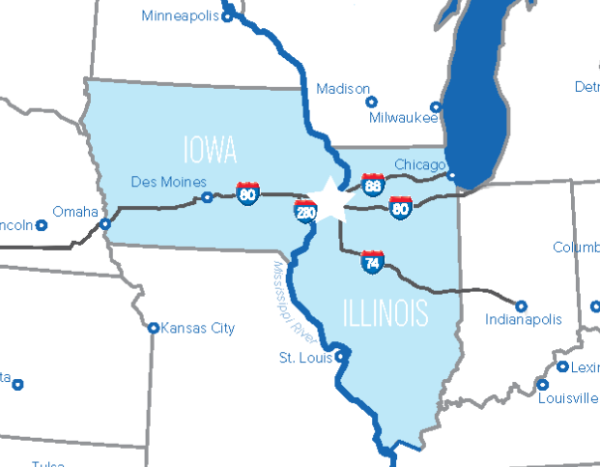
Map of the Quad Cities region
The heart of the Midwest
QC, That's Where? It's where two states and one mighty Mississippi River are home to a family of communities making the Midwest's future.