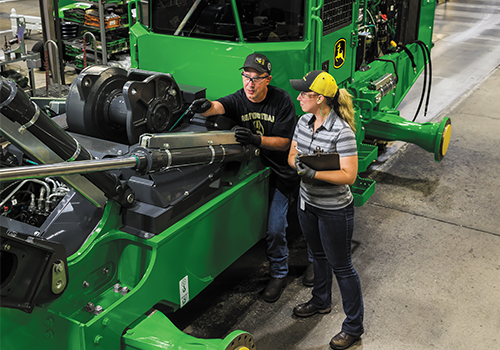
If you have ever tried to make an adjustment to some sort of mechanism that is sticking, you probably have an intuitive understanding of policy error. Imagine trying to adjust a lever or other mechanical device that is stuck in position. How do you cause it to become “unstuck?” Perhaps you apply more force or hit it with a hammer. There is a risk to applying more force, however. When the lever becomes “unstuck” it might move more than you want it. Suddenly freed from its frozen position, all the excess force pushes the lever in a way that you cannot control. That is policy error.
In the monetary policy world, interest rate increases are the hammer in our story. By raising interest rates, the Fed hopes to slow the flow of funds in the financial markets and thus slow the economy. But what if the mechanism is stuck and the Fed keeps hammering? The result could be too much slowing in the financial markets. If this is not corrected quickly, a recession could develop.
The fact that there are long and variable lags between the time when the policy is announced and when you see some effect makes it even harder to manage in real-time. In recognition of this, the Fed has paused the rate hikes since July. They wanted to see if the rate hikes already done simply need some more time to work.
Recently, the message from the Fed has been that interest rates will remain higher for longer. However, it is hard to know exactly what that means. Are they done raising rates, or will there be one more? Will they lower rates if economic growth slows before inflation reaches the 2% goal? These are the questions the market has been asking. “Higher for longer” increases the risk of policy error, but it may be unavoidable if the Fed is to reach the 2% inflation target.
It takes a while for the economy to adjust to higher interest rates. Until it does, there is the risk that some unforeseen event could tip the balance toward recession. Geopolitical tension, the price of oil and the looming possibility of a government shutdown this quarter are factors that could slow the economy more than expected.
Make no mistake, the Fed is committed to lowering inflation, and “higher for longer” is a result of that commitment. The Fed knows that “higher for longer” will slow down economic growth. That is necessary in the fight against inflation. It is a risk they are willing to take. If everything lines up perfectly, we still can avoid a recession. However, we are entering a distinctly different phase now in which the economy is much more vulnerable to unforeseen shocks than it was a year ago.