Quad City International Airport continues to see a surge in passenger traffic as the leisure travel industry rebounds from the pandemic. Airplanes are full and flights to Las Vegas, Florida and Arizona are being added. The airport is very optimistic about the holiday travel season and ongoing recovery throughout 2022.
Business air travel continues to be slow, growing by less than two percent, as virtual meetings and conferences continue to replace in-person meetings.
The increase in leisure travel continues to bring more hotel guests to the Quad Cities. The Interstate 74 bridge construction drew many out-of-town workers to extended-stay hotels in the region.
Drawbacks
The rebound of business travel is uncertain due to the ease, cost-effectiveness and reliance on virtual meetings. Any rebound could be accelerated if businesses discover sales increase at a faster pace from in-person, versus virtual, meetings.
Hotels are running with limited staff, experiencing supply chain difficulties and continue to lose revenue from the lack of large meetings and seminars.
Food and Beverage
Drivers
Restaurants continue to see an uptick in customers as more people receive COVID vaccinations and boosters. Outside patios are heavily used by patrons and nonfood serving establishments are partnering with local food trucks to be on-site during business hours.
Drawbacks
Supply chain issues remain. Condiments and protein products, such as chicken, can be difficult to secure. Staff shortages continue. Workers are leaving the restaurant industry for positions with better pay, benefits and hours, or to care for families. Burnout is an issue for the remaining employees.
Retail
Drivers
Retail continues to see increased sales and traffic. Local boutiques are supplementing their business with Facebook live sales, vendor shows, traveling stores at festivals and hosting live fashion shows to support regional nonprofits. Big box stores also are busy.
Workforce issues are affecting smaller grocers more than large retailers. More are offering flexible schedules and allowing employees to choose store locations and the days and hours they will work.
Used vehicle sales remain strong. Dealerships are trading with other dealerships, hiring retired workers to pick up and drop off vehicles as far away as Chicago to maintain inventory.
Drawbacks
Big box stores added more self-checkouts, which is not popular with all shoppers. A shortage of workers is causing burnout in the remaining retail employees.
Supply chain issues are causing longer wait times for grocery products, and supply and demand are causing price increases. The shortage of workers is increasing check out wait-times. Impulse buying is down as more shoppers are foregoing the isles for online shopping.
New vehicles are hard to get due to the backorder of microchips. Automakers are delaying the production of certain vehicles.
Construction
Drivers
Construction remains strong in the region.
Drawbacks
Contractors find it difficult to hire sub-contractors with the supply chain to complete the job. Cement workers and finishers, as well as interior painters, are in short supply. Lumber and drywall costs remain significantly higher than pre-COVID, however, prices are slowly coming down. Orders for steel are delayed by months, causing companies to put jobs on hold. These issues have caused new businesses to delay planned openings.
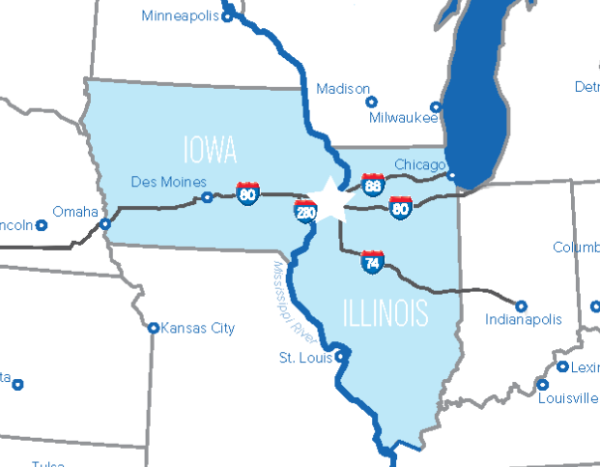
The heart of the Midwest
QC, That's Where? It's where two states and one mighty Mississippi River are home to a family of communities making the Midwest's future.