




Weekly Economic Trends and Indicators
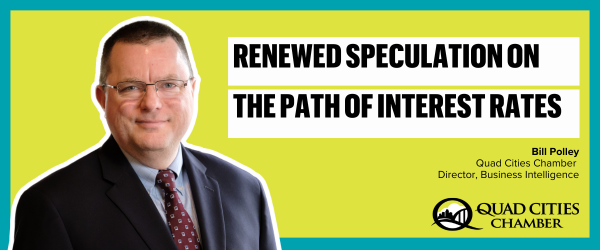
The Headlines:
The two most watched measures of inflation rose slightly in November. According to the Bureau of Labor Statistics, the Consumer Price Index (CPI) increased by 0.3% on a seasonally adjusted basis. Over the previous 12 months, the CPI increased by 2.7%.
The Federal Reserve’s preferred measure of inflation, the Personal Consumption Expenditures (PCE) price index, increased by 0.1% on a seasonally adjusted basis according to the Bureau of Economic Analysis. Over the previous 12 months, the PCE price index increased by 2.4%.
The Details:
According to the PCE price index, inflation in the price of goods is essentially flat—even slightly negative as the prices of many goods from basic commodities to finished manufactured goods have been declining in price this year. However, the price of services is still well above the levels we would like to see. Service price inflation in the PCE price index was 3.8% for the 12 months ending in November. This has been essentially unchanged since May.
The CPI gives more detail on the price changes of specific goods and services but tells a very similar story. The 12-month inflation rate for food at home was only 1.6%, and energy commodities fell in price by 8.5% in the same period. Meanwhile, service price inflation in the CPI was 4.6% excluding energy services.
The Context:
Both of these inflation measures are above the Fed’s 2.0% inflation target, which has led to renewed speculation concerning the path of interest rates in 2025. PCE inflation hit a low point in September at 2.1%. At the time, this gave some reassurance that interest rates could start coming down.
The stalled progress on inflation has pushed the 10-year Treasury yield to 4.575% (as of Friday morning), up from 3.649% in September—nearly a full percentage point increase. This reflects the expectation that interest rates and inflation could stay elevated longer. One could argue that the September lows were somewhat optimistic, and that somewhere in between would have been more appropriate even then. However, these rates will keep mortgage rates higher, helping to contain rising home prices.
Unfortunately, the Fed’s main policy tool of the fed funds rate is a blunt instrument that does not have the ability to specifically address inflation by sector. Interest rates high enough to contain the growth of prices of services may cause contraction in goods-producing sectors. Furthermore, the housing market is being affected by supply constraints due to fewer people selling because they are locked-in to low mortgage rates from a few years ago. While higher interest rates help on the demand side, they may exacerbate the supply problems. Even so, there will mostly likely be fewer of rate cuts in 2025 than the market expected a couple of months ago.
Next week: U.S. labor market update