

Quad Cities Chamber advocates for regional priorities on Capitol Hill
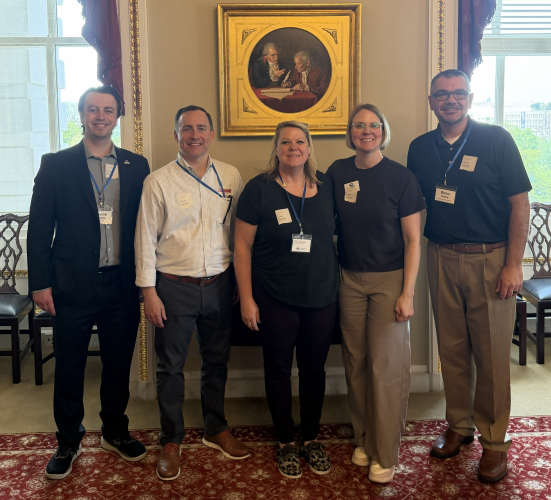
Quad Cities Chamber leaders and a delegation of local business leaders met with Iowa and Illinois members of Congress to advance the QC Chamber's 2026 Federal Legislative Agenda that supports economic growth, workforce readiness and long-term regional competitiveness.
Meetings with legislators included U.S. Senators Tammy Duckworth and Dick Durbin (IL), and U.S. Senators Joni Ernst and Chuck Grassley (IA); U.S. Representative Eric Sorensen (IL) and Iowa Representatives Ashley Hinson and Marianette Miller-Meeks (IA).
Economic Development
Chamber leaders emphasized the importance of full funding for the Critical Supply Chain Site Development Program, which provides resources to prepare industrial sites for development and makes them “shovel-ready” for private investment. The program was established through the bipartisan Opportunities for Non-developed Sites to Have Opportunities to be Rehabilitated for Economic Development (ONSHORE) Act, led by Congressman Sorensen and Congresswoman Miller-Meeks. Business leaders in attendance stressed that continued funding is critical to attracting new employers, strengthening supply chains and positioning the Quad Cities for future industrial growth.
Utility-sector representatives also highlighted the need for federal permitting reform, sharing real-world examples of how the current system is overburdened. Business leaders outlined how lengthy and unpredictable permitting delays can significantly impact local businesses and infrastructure projects. While there is broad consensus among members of Congress that reform is necessary, the timing of legislative action remains uncertain.
Rock Island Arsenal Priorities
Business leaders and local mayors voiced strong support for sustained investment in the Rock Island Arsenal (RIA) through the Fiscal Year 2027 national defense budget, with a focus on logistics and munitions production missions that are vital to both national security and the regional economy.
The delegation also advocated for a Military Construction Appropriations (MILCON) funding request to construct a new Child Development Center, underscoring the importance of infrastructure that supports military families, workforce recruitment and long-term employee retention. These discussions took place as Congress enters the most active phase of the annual appropriations process, with the House of Representatives currently further along than the Senate.
Infrastructure
Business leaders representing the transportation sector emphasized the importance of the Quad Cities’ multimodal infrastructure to both the regional economy and long-term competitiveness. The delegation highlighted the need for reauthorization of federal surface transportation programs to maintain and modernize aging infrastructure, while also expressing continued support for passenger rail funding aligned with the Midwest Interstate Passenger Rail Committee’s long-range plan.
Immigration Policy
Immigration policy was discussed as a critical workforce issue impacting employers across the Quad Cities. Business leaders reiterated support for bipartisan immigration solutions that address workforce shortages, strengthen supply chains and ensure employers have access to the talent needed to grow and compete. Local employers also shared challenges filling STEM-related positions, noting that limited labor availability can force businesses to seek talent outside the United States.
Recognizing Congressional Leadership
The Chamber also recognized the leadership and continued support of Senator Dick Durbin and Senator Joni Ernst. Both senators were thanked for their longstanding advocacy on behalf of the Quad Cities and their support of the Rock Island Arsenal. 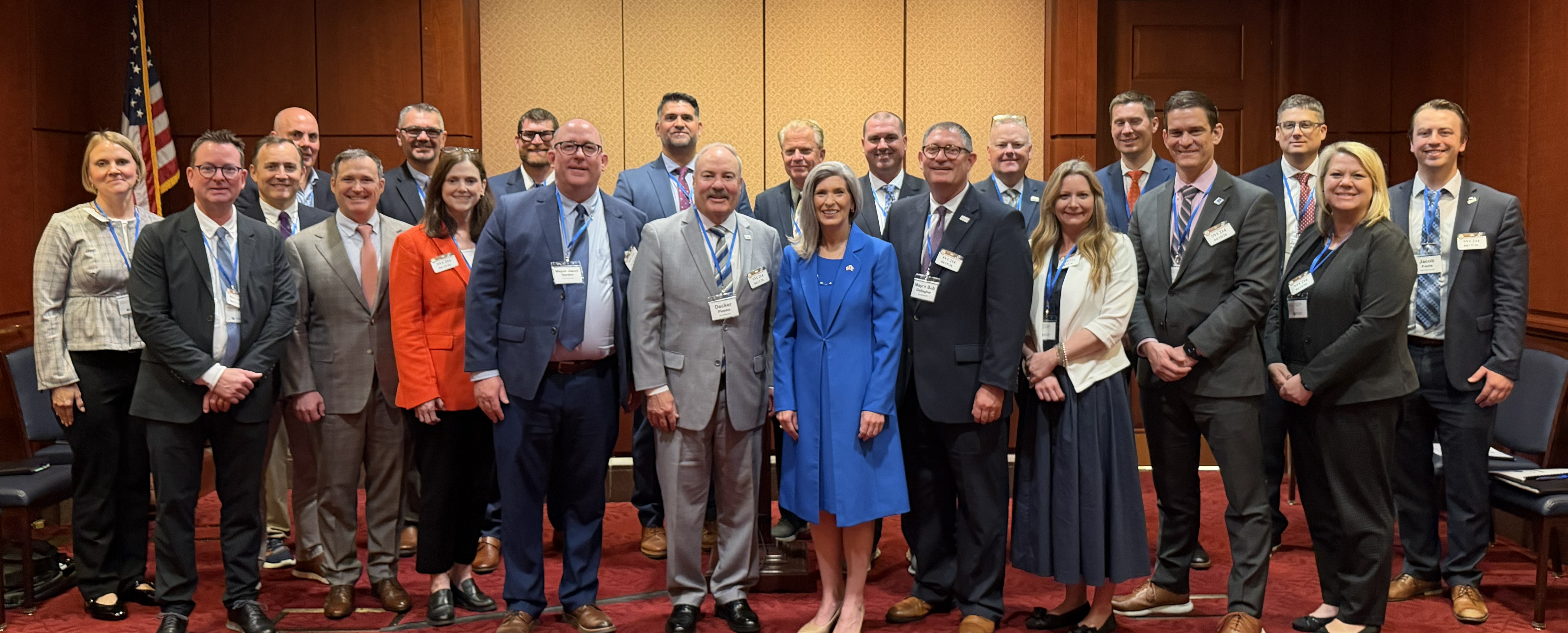
The Chamber’s engagement in Washington, D.C. reinforced the value of a coordinated regional voice in advancing federal policies that directly impact the Quad Cities business climate and quality of life. As the federal appropriations process moves forward, the Chamber will continue to engage with our Congressional delegation, advocate for regional priorities and keep members informed of developments affecting businesses and communities across the r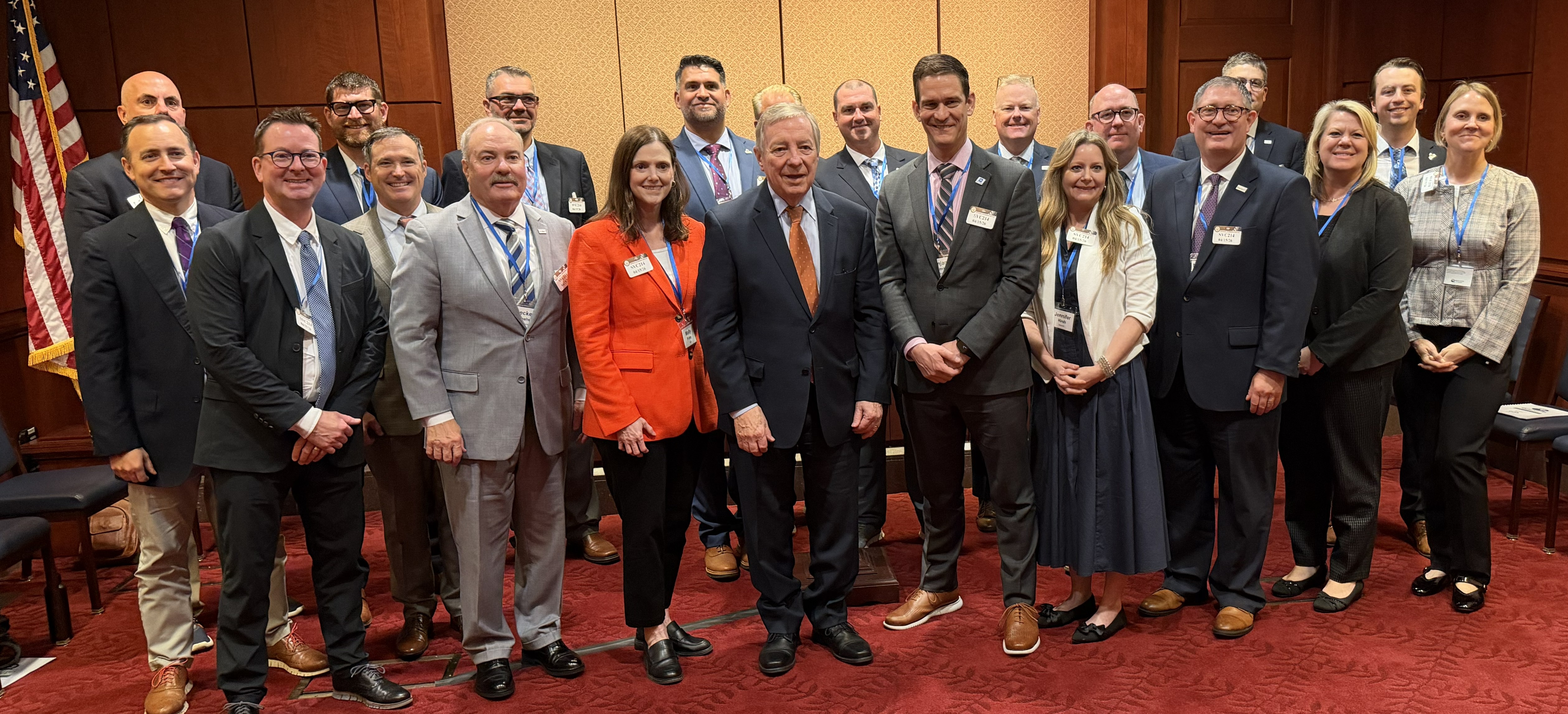 egion.
See the list of community leaders from the QC who attended the D.C. Fly-In.
