

Chamber sharpens focus on business & economic growth
In the Quad Cities, some industries are faring well and looking to expand their operations despite the financial woes felt by many businesses in 2020. In addition to helping area businesses hit hard by the pandemic find the resources and customers they need to survive, the Quad Cities Chamber has been hard at work recruiting new companies and investments to our region.
We have enhanced the services we pride ourselves on at the Chamber, including making business connections, providing financial assistance, employing business intelligence and marketing our region. Therefore, your investment in the Chamber doubles as an investment in our region’s success because it enables us to perform these services, as well as advocacy, promotions and leadership development, which together, facilitate business growth.
Here are some highlights of the active projects our Business & Economic Growth team is pursuing:
- A food processing company is looking to add 200+ new jobs and make a capital investment of more than $180 million; we are competing with only two other states.
- A manufacturing firm is evaluating expanding production at an existing Quad Cities location, which would create upward of 50 new jobs.
- An agricultural business is considering launching a 50,000-100,000-square-foot facility, which would create 15-20 new jobs.
- A logistics operation is looking to open a warehouse on 60-80 acres to meet distribution demands being driven by a substantial increase in online shopping by consumers in the U.S. and around the world.
The Quad Cities is also seeing an uptick in merger and acquisition activity, a good sign because local firms are joining forces with other businesses, keeping jobs and investment in the area. One successful example is Crawford Companies’ recent purchase of Seaberg Industries.
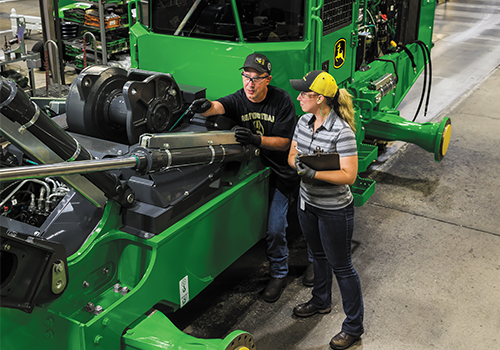
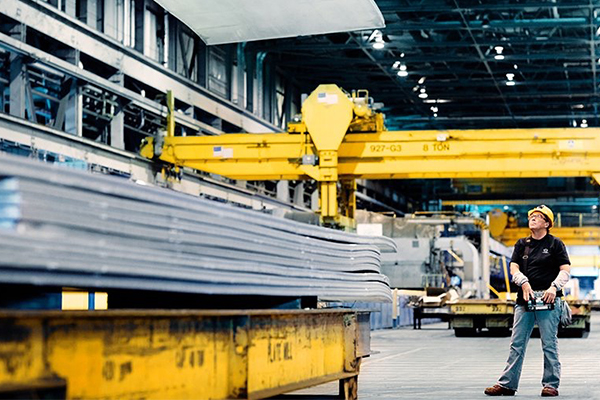
In total throughout the year, our team has managed 64 projects; 47% were manufacturing-related and 19% were ag-based - two of our targeted industries.
With the help of Conway, a full-service economic development firm, we took an in-depth look at these two industries and learned more about who would benefit most from doing business in the Quad Cities. Ag tech and materials tech emerged as sectors our region should focus on attracting. Both involve the combination of technology, including software and hardware, with more traditional industries like agriculture and materials production.
“The findings immediately influenced and ramped up our outreach tactics,” said Julie Forsythe, Senior Vice President, Business & Economic Growth.

We focus on companies in these industries as well as logistics, corporate operations and defense because we know our region has the assets and competitive advantages other regions cannot offer, including:
- A central Midwest location with access to major industrial markets and a concentration of manufacturing, ag and defense-related businesses
- Logistics and transportation network needed to support industrial supply chains, including Interstates 74, 80, 280 and 88 along with three Class 1 railroads, the Quad City International Airport and the region’s new federally designated waterway port
- Abundant water supply and inexpensive electricity
- Overall cost of living and doing business in the area is competitively priced compared to the rest of the U.S.
- Skilled 743,000-person workforce that boasts the ability to create innovative products and tools for use around the world
Using business intelligence tools, we have pinpointed specific companies within ag tech and materials tech that are “ripe and ready” for expansion, Forsythe said. Now, our team is in the process of building connections with company representatives and corporate site selectors via numerous marketing channels, including social media and email, as well as good old-fashioned phone calls.
In addition to refining our targets, we also split up our team’s duties by industry sector. One person focuses on manufacturing and defense; another is responsible for ag innovation/food processing, logistics and corporate office; and one on non-primary industries.
All of this, combined with the strength of our region’s economy before the pandemic as well as our diversity of industries, position us for a quick rebound. We believe these factors, plus forecasted economic tailwinds, will lead to a prosperous 2021.